> For the complete documentation index, see [llms.txt](https://imonggo.gitbook.io/imonggo-help-center/llms.txt). Markdown versions of documentation pages are available by appending `.md` to page URLs; this page is available as [Markdown](https://imonggo.gitbook.io/imonggo-help-center/the-basics/creating-a-customer-and-customer-group.md).

# Creating a Customer and Customer Group

{% tabs %}
{% tab title="How to Add a Customer" %}

### **Step 1:**

Go to Customers, then click the **ADD CUSTOMER** button.

<figure><img src="/files/9R97Bng4xx5jrwNYLZP9" alt=""><figcaption></figcaption></figure>

### Step 2:

Fill up all fields as much as possible.

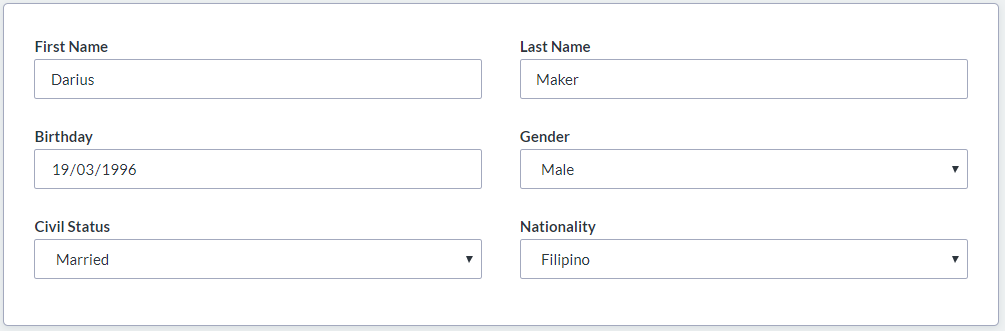
#### PROFILE:

<figure><img src="/files/InzuJgvL6bfFobbjJseG" alt=""><figcaption><p><em><strong>IMPORTANT NOTE: Only First Name and Last Name are required fields. The others are optional, so you can already save the customer record after typing the name.</strong></em></p></figcaption></figure>

**CONTACT DETAILS:**

<figure><img src="/files/cN9pYzFiFyMVCPRbElGD" alt=""><figcaption></figcaption></figure>

**HOME ADDRESS**:

<figure><img src="/files/NVFb3t80oJgbzm7SNtyD" alt=""><figcaption></figcaption></figure>

**COMPANY INFO**:

<figure><img src="/files/MtC0isueMIEJAtV21WF6" alt=""><figcaption></figcaption></figure>

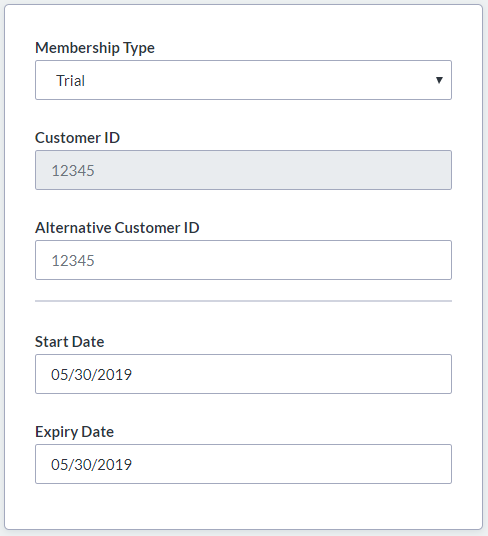
**MEMBERSHIP**:

<figure><img src="/files/HbMxTLyDpfEeL0YMtpbz" alt=""><figcaption><p><em><strong>Note:</strong></em> <em><strong>You can group customers into membership types where you can give discounts and points per purchase.</strong></em></p></figcaption></figure>

<br>

**OTHERS**:

<figure><img src="/files/w6vq7wtf0nqX6btYKgSg" alt=""><figcaption></figcaption></figure>

### Step 3:

Once done, click the **Save** button.

<figure><img src="/files/tr5n6ZqdfCM6fSNMoldf" alt=""><figcaption></figcaption></figure>

### Step 4:

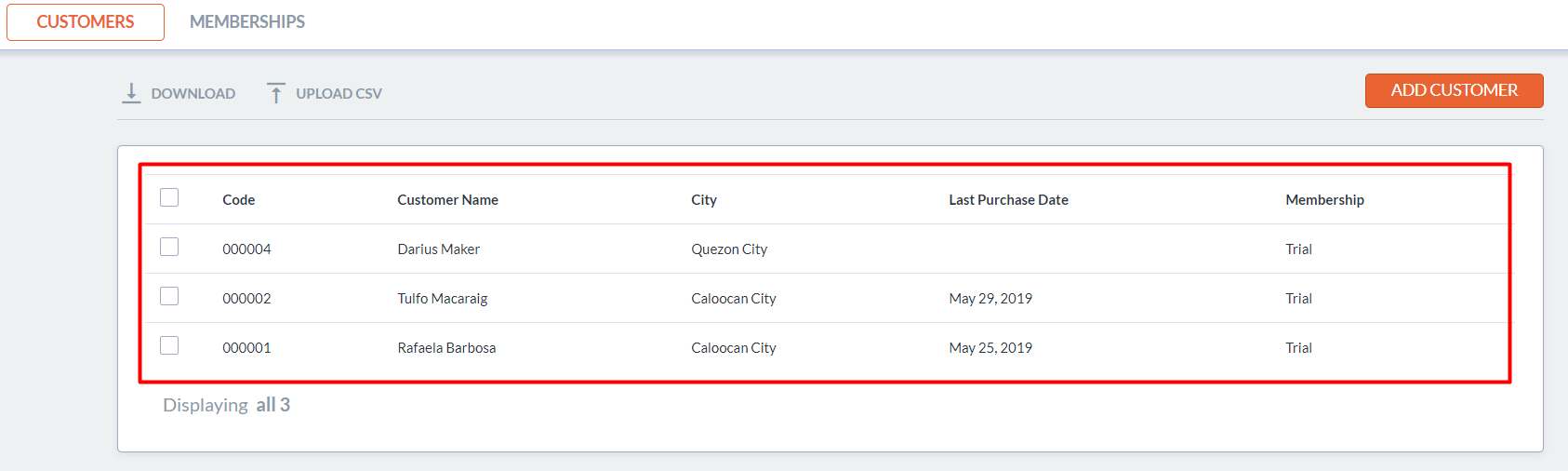
All saved customers will be displayed under the **Customers** tab.

<figure><img src="/files/Frs6KVU7U0Hlt8mqkhdA" alt=""><figcaption></figcaption></figure>

####

<br>

####

<br>
{% endtab %}

{% tab title="How to Create a Custer Group" %}
You can group customers into membership types so you can give discounts and points for each purchase. Here are the steps to add membership type:

### Step 1:

Go to **Customers**. Then under the **Memberships** tab, click **ADD GROUP** button.

<figure><img src="/files/RE2KOxvrg90MeLtrBG76" alt=""><figcaption></figcaption></figure>

### Step 2:

Fill up the **Membership Details** first. You can input any preferred Group Name. You can also leave the discount to 0% if you do not want to give an auto-discount for this membership.

<figure><img src="/files/FmCnlRyrue98NxjXMmxa" alt=""><figcaption></figcaption></figure>

### Step 3:

You can also edit the Points Conversion section if you would like to give points as a reward per purchase.

<figure><img src="/files/hxJ6OhyRbDnXwc6o4o5p" alt=""><figcaption></figcaption></figure>

### Step 4:

Click **SAVE** button to add the new group and view it under **Memberships** tab.

<figure><img src="/files/YnkWJSMV58vllgsVx54v" alt=""><figcaption></figcaption></figure>
{% endtab %}

{% tab title="How to Add a Customer to a Loyal Group" %}
You can add customers into loyalty groups so you can give them discounts and points for every purchase. Here's how:

### Step 1:

Go to **Customers**. Under the **Memberships** tab, click on a **Customer group** to open it.

<figure><img src="/files/DGl0xcwn1hp8skWBLHrx" alt=""><figcaption></figcaption></figure>

### Step 2:

Search for the name of the customer and press **enter** to display it on the list.

<figure><img src="/files/PbrkxoCkLANysPAb8EfJ" alt=""><figcaption></figcaption></figure>

### Step 3:

Once you have added the customers, click the **SAVE** button to save.

### Step 4:

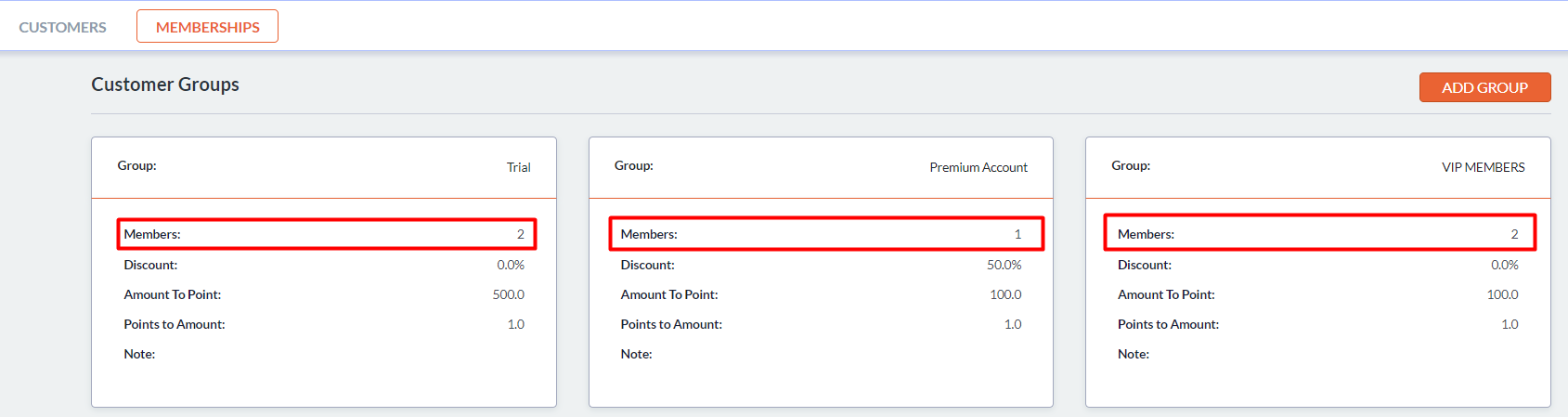
You can also view how many members are inside of the group.

<figure><img src="/files/0hZzHwM2BlxrBBmyDcMW" alt=""><figcaption></figcaption></figure>
{% endtab %}
{% endtabs %}


---

# Agent Instructions
This documentation is published with GitBook. GitBook is the documentation platform designed so that both humans and AI agents can read, navigate, and reason over technical content effectively. Learn more at gitbook.com.

## Querying This Documentation
If you need additional information that is not directly available in this page, you can query the documentation dynamically by asking a question.

Perform an HTTP GET request on the current page URL with the `ask` query parameter, and the optional `goal` query parameter:

```
GET https://imonggo.gitbook.io/imonggo-help-center/the-basics/creating-a-customer-and-customer-group.md?ask=<question>&goal=<endgoal>
```

`ask` is the immediate question: it should be specific, self-contained, and written in natural language.
`goal` is optional and describes the broader end goal you are ultimately trying to accomplish on behalf of the user. GitBook uses it to tailor the answer towards what is most useful for that goal.

The response will contain a direct answer to the question and relevant excerpts and sources from the documentation.

Use this mechanism when the answer is not explicitly present in the current page, you need clarification or additional context, or you want to retrieve related documentation sections.